
History timeline quiz: the 22 eras from 3500 BCE
The quiz splits world history into 22 blocks of 250 years. Here is every block with its age and one real object made in it, so you can learn what each era tends to look like.

3500 BCE – 3251 BCE
Early Bronze Age
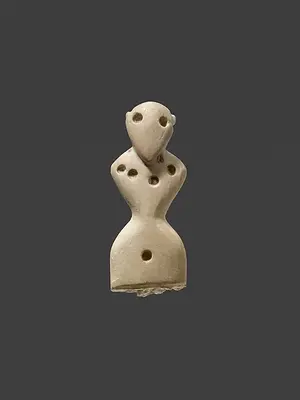
Female figurine wearing necklace
Egypt · c. 3500 BCE3250 BCE – 3001 BCE
Early Bronze Age
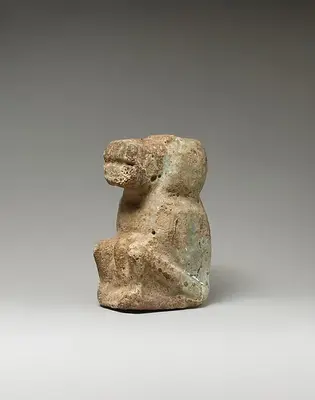
Figurine of a baboon
Egypt · 3105 BCE – 3095 BCE3000 BCE – 2751 BCE
Early Bronze Age
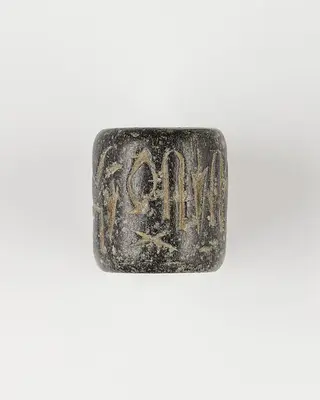
Cylinder seal
Egypt · c. 2960 BCE2750 BCE – 2501 BCE
Early Bronze Age
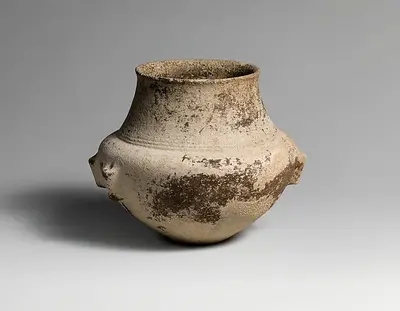
Terracotta collared jar with four lug handles
Cycladic · Greece · c. 2700 BCE2500 BCE – 2251 BCE
Early Bronze Age
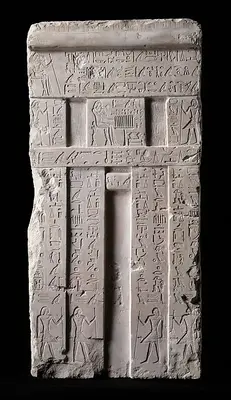
False door from the tomb of Metjetji
Egypt · 2353 BCE – 2323 BCE2250 BCE – 2001 BCE
Early Bronze Age
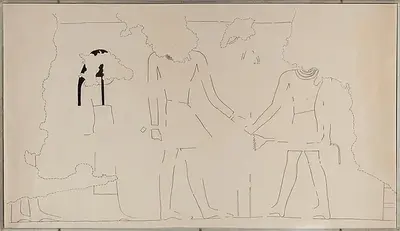
Offering Scene, Tomb of Djari
Egypt · c. 2050 BCE2000 BCE – 1751 BCE
Middle Bronze Age
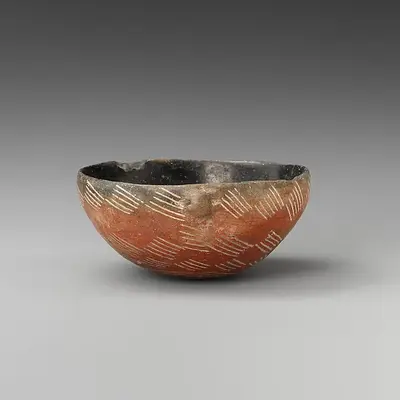
Terracotta bowl
Cypriot · Cyprus · 2000 BCE – 1900 BCE1750 BCE – 1501 BCE
Middle Bronze Age

Bronze female figure
Minoan · Greece · 1700 BCE – 1600 BCE1500 BCE – 1251 BCE
Late Bronze Age
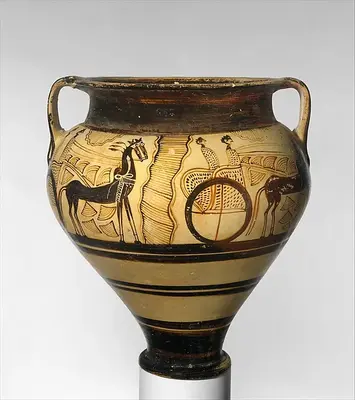
Terracotta chariot krater
Helladic, Mycenaean · Greece · 1400 BCE – 1300 BCE
1250 BCE – 1001 BCE
Late Bronze Age
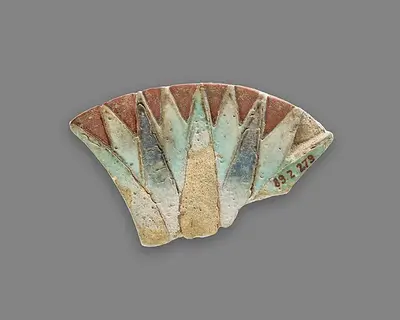
Faience Inlay
Egypt · c. 1184 BCE1000 BCE – 751 BCE
Iron Age
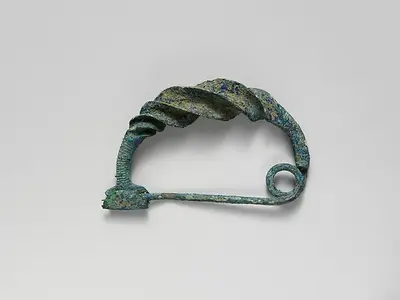
Bronze spiral-type fibula (safety pin)
Villanovan · Italy · 899 BCE – 800 BCE750 BCE – 501 BCE
Iron Age
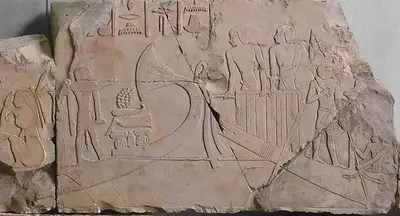
Relief from the Tomb of Nespekashuty
Egypt · 656 BCE – 650 BCE500 BCE – 251 BCE
Classical Era
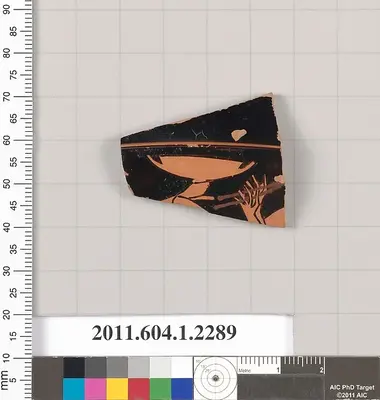
Terracotta fragment of a kylix (drinking cup)
Greek, Attic · Greece · 500 BCE – 450 BCE
250 BCE – 1 BCE
Classical Era
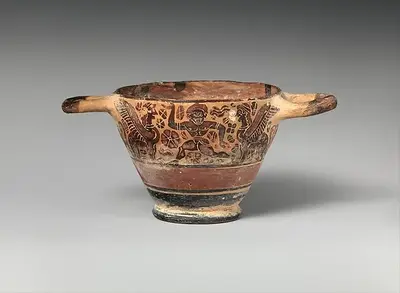
Terracotta skyphos
Etruscan, Etrusco-Corinthian · Italy · c. 6 BCE1 CE – 249 CE
Classical Era
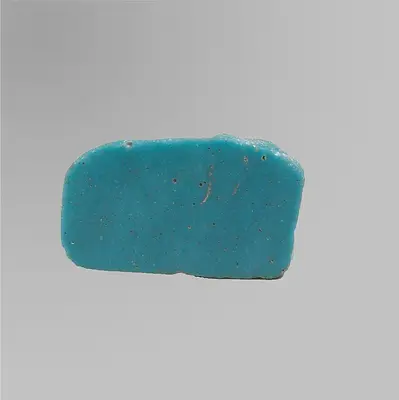
Glass monochrome inlay fragment
Roman · Italy · 1 CE – 50 CE250 CE – 499 CE
Late Antiquity

Glass pendant in the form of a miniature jug
Roman · Italy · 300 CE – 499 CE500 CE – 749 CE
Late Antiquity
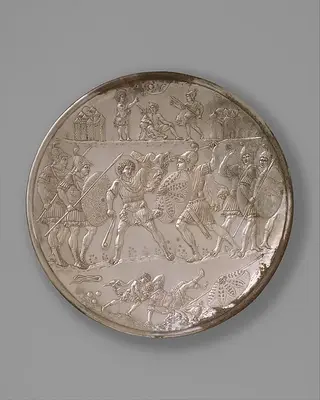
Plate with the Battle of David and Goliath
Byzantine · Turkey · 629 CE – 630 CE
750 CE – 999 CE
Early Medieval
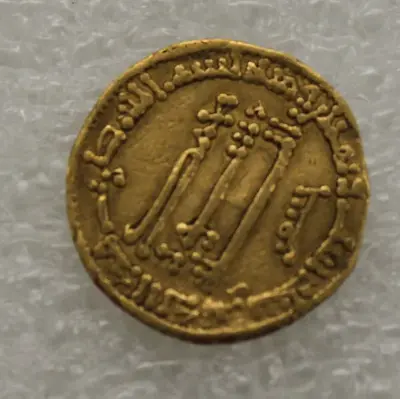
Coin
Iraq · c. 802 CE1000 CE – 1249 CE
High Medieval
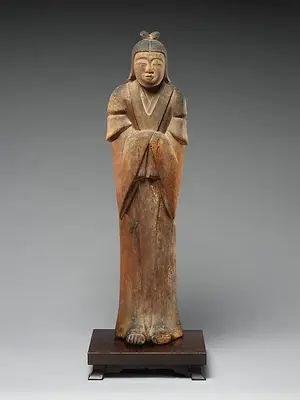
女神立像|Female Shinto Deity
Japan · 1000 CE – 1185 CE1250 CE – 1499 CE
Late Medieval
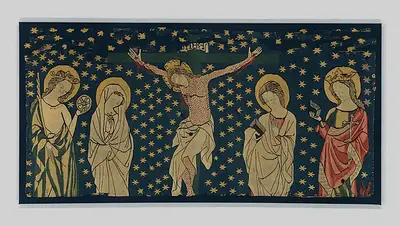
Crucifixion
German · Germany · 1325 CE – 1350 CE
1500 CE – 1749 CE
Early Modern
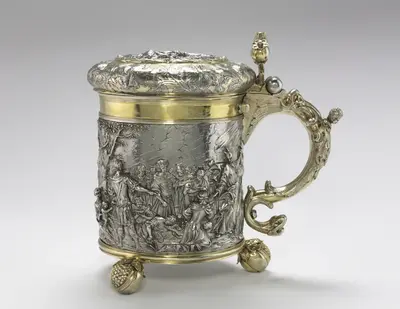
Tankard
Germany, Augsburg · Germany · 1675 CE – 1697 CE
1750 CE – 1999 CE
Modern Era
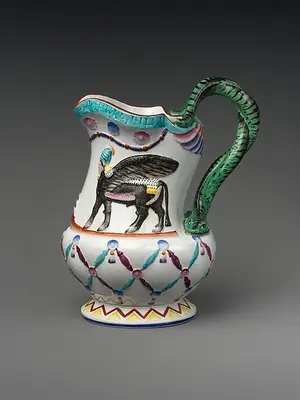
Jug with Assyrian-inspired decoration
British · United Kingdom · 1851 CE – 1860 CE
Why 250-year blocks?
Museum dates are ranges, often wide ones (“3rd–1st century BCE”). A 250-year block is narrow enough to need real knowledge and wide enough that the museum's own range usually falls inside one or two blocks. If an object's range touches your block, you score all 500 time points.